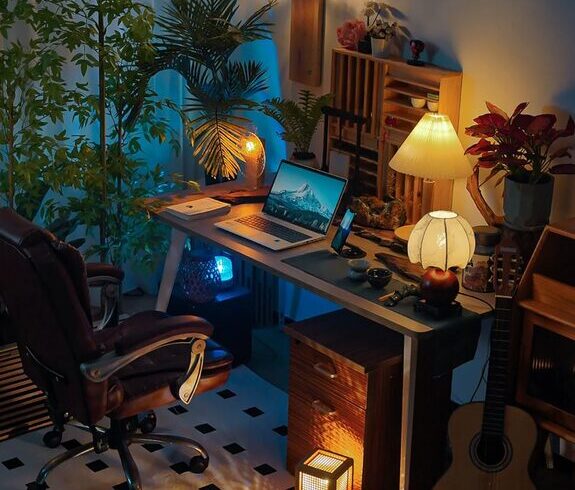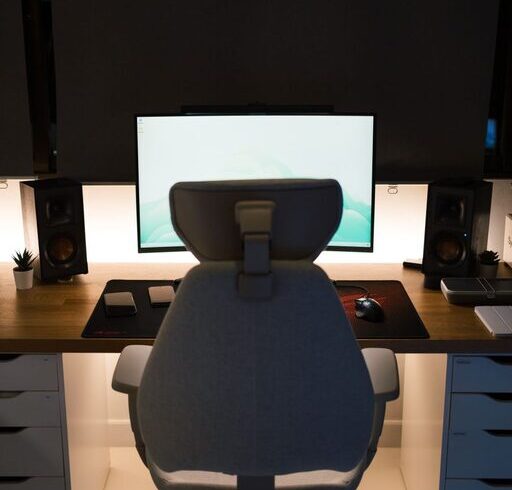
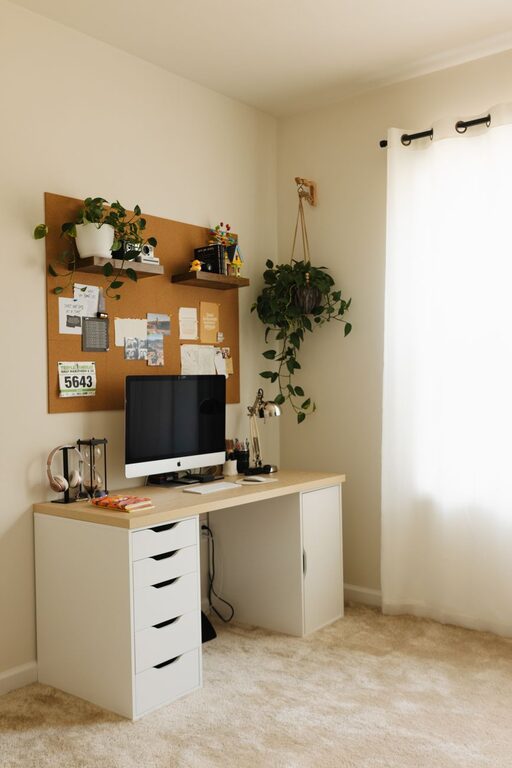
Creating a home office that feels both cozy and productive can be a game-changer for your work-from-home experience. Whether you’re freelancing, managing a remote team, or just need a dedicated space to focus, designing a comfortable and efficient workspace helps improve concentration, creativity, and overall job satisfaction. In this post, we’ll explore practical tips to help you create a home office that supports productivity while keeping a warm, inviting atmosphere.
Choose the Right Location
Selecting the right spot for your home office is a crucial first step. Ideally, this should be a quiet area with minimal foot traffic and distractions. If possible, pick a space with natural light, as exposure to daylight can boost your mood and alertness.
– Consider a spare room, a corner of the living room, or even a section of your bedroom.
– Try to avoid working from your bed or couch to help separate work from relaxation.
Invest in Comfortable Furniture
Comfort is key to staying productive without feeling drained. Invest in ergonomic furniture that supports good posture and reduces the risk of strain.
– Desk: Choose a desk that fits your space and allows you to spread out your work materials comfortably.
– Chair: A supportive, adjustable chair is essential. Look for one with lumbar support and breathable materials.
– Footrest: Adding a footrest can enhance comfort, particularly if your feet don’t comfortably reach the floor.
Optimize Lighting
Good lighting prevents eye strain and keeps you alert. Combine different types of lighting for a balanced setup.
– Natural light: Position your desk near a window, but avoid direct glare on screens.
– Overhead lighting: Use bright, diffuse ceiling lights to illuminate the room evenly.
– Task lighting: Desk lamps with adjustable brightness help when working late or on detailed tasks.
Personalize Your Space
Adding personal touches makes your workspace feel welcoming and inspires creativity. Incorporate items that bring you joy and motivate you without cluttering your desk.
– Decor: Small plants, framed photos, or meaningful artwork add warmth.
– Colors: Choose soothing colors for walls or accessories, such as soft blues or greens, which can calm the mind.
– Textures: Use cozy rugs, cushions, or curtains to soften the atmosphere.
Organize for Efficiency
A clutter-free environment helps reduce distractions and saves time searching for things. Use smart organizational tools to keep your office tidy.
– Storage: Use shelves, drawers, or filing cabinets to store documents and supplies.
– Desk organizers: Trays, pen holders, and cable management solutions keep your desktop clear.
– Digital organization: Maintain a clean virtual workspace by organizing files and emails regularly.
Use Technology Wisely
Technology is essential for a home office, but it shouldn’t overwhelm your space or focus.
– Essential gear: Invest in a reliable computer or laptop, a good-quality headset or speakers, and a fast internet connection.
– Dual monitors: If your work demands it, adding a second screen can improve efficiency.
– Minimize distractions: Turn off unnecessary notifications and use apps that block distracting websites if needed.
Establish Boundaries and Routines
Creating routines helps your brain switch into work mode, boosting productivity and work-life balance.
– Set working hours: Stick to regular start and end times.
– Breaks: Schedule short breaks throughout your day to avoid burnout.
– Signaling: Use visual cues like closing the door or a small desk flag to indicate when you’re working.
Keep Air Quality Fresh
A well-ventilated, fresh-smelling room helps maintain concentration and prevent tiredness. Open windows frequently or use air purifiers if needed. Indoor plants can also improve air quality while enhancing your space’s appearance.
Add Comfort Enhancers
Small additions can make your work hours more pleasant.
– Temperature: Use fans, heaters, or humidifiers to maintain a comfortable temperature year-round.
– Refreshments: Keep a water bottle or a mug nearby to stay hydrated.
– Sound: Experiment with background music or white noise if it helps you focus.
Final Thoughts
Designing a home office that is both cozy and productive doesn’t have to be complicated or expensive. By focusing on comfort, organization, lighting, and personalization, you create a space where work feels natural and enjoyable. Keep your needs in mind as you set up your office, and remember that even small adjustments can lead to big improvements in your workday experience.