
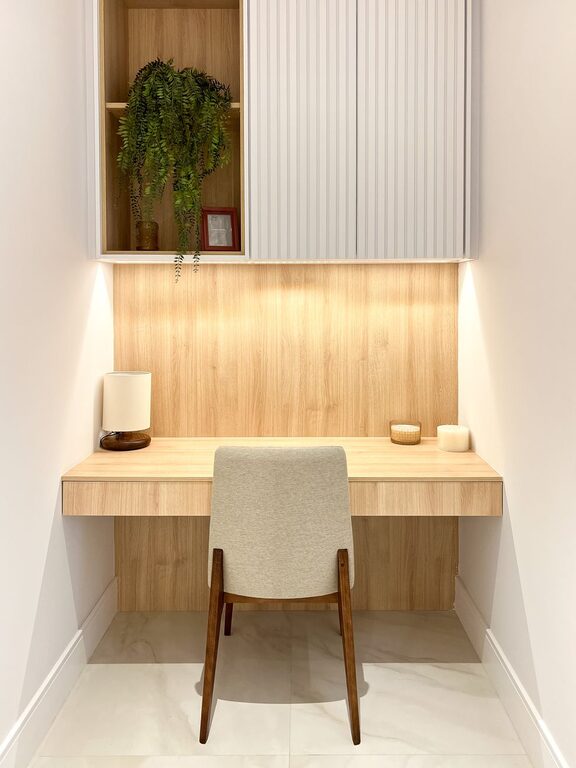
Creating a relaxing home workspace is essential for anyone who works remotely or spends significant time on projects at home. A peaceful and comfortable environment can reduce stress, improve focus, and ultimately boost your productivity. Whether you have a dedicated room or a small corner, setting up a workspace that feels inviting and functional is completely achievable. In this post, we’ll explore practical tips to help you design a home office space that balances relaxation with efficiency.
Why a Relaxing Workspace Matters
When your workspace feels calm and organized, it becomes easier to concentrate and stay motivated. A cluttered or uncomfortable environment can distract you, leading to unnecessary stress. On the other hand, a well-planned workspace supports your work habits and helps separate your professional and personal life—even within the same room.
Choose the Right Location
Your workspace location can make a big difference in how comfortable and productive you feel.
– Natural Light: If possible, pick a spot near a window to take advantage of natural light. It boosts mood and reduces eye strain.
– Quiet Area: Find a quieter part of your home where you can work with minimal distractions.
– Separate from Relaxation Spaces: Avoid working where you usually relax, like your bed or sofa, to help your brain associate the workspace with productivity.
Invest in Comfortable Furniture
Comfort is key to creating a relaxing workspace that you’ll want to spend time in.
– Ergonomic Chair: Choose a chair that supports good posture, reducing back and neck pain.
– Suitable Desk: Pick a desk that fits your space and work needs, whether it’s for computer work or writing.
– Adjustable Setup: Consider a sit-stand desk or accessories like keyboard trays and monitor stands to customize your workspace.
Keep Your Workspace Organized
Clutter can quickly increase stress and distract you. Keep your area tidy by:
– Using Storage Solutions: Shelves, drawers, and bins help keep supplies organized.
– Minimizing Items on Desk: Only keep essentials within reach to maintain a clean surface.
– Cable Management: Use clips or sleeves to organize cords and prevent tangling.
Incorporate Calming Elements
Adding touches that promote relaxation can make your workspace inviting.
– Plants: Indoor plants improve air quality and add a soothing touch of nature.
– Soft Lighting: Use lamps or LED lights with warm tones instead of harsh overhead lighting.
– Personal Touches: Display a favorite photo, artwork, or quote that makes you smile.
Manage Noise Effectively
Noise can be a big distraction when working from home. To keep it under control:
– Noise-Canceling Headphones: These are great for blocking out background sounds.
– Background Music: Soft instrumental music or nature sounds can boost focus.
– Soundproofing: Use rugs, curtains, or wall hangings to absorb noise.
Take Regular Breaks
Even in a comfortable space, sitting for too long can affect your productivity and well-being.
– Use Timers: Set break reminders every hour to stretch or walk around.
– Step Outside: A few minutes outdoors can refresh your mind.
– Mindfulness Practices: Try quick breathing exercises or short meditations.
Optimize Your Technology
Having reliable and user-friendly technology can make your work smoother.
– Fast Internet: Ensure your connection is stable to avoid interruptions.
– Ergonomic Accessories: A good keyboard and mouse reduce strain.
– Regular Updates: Keep software and hardware updated to prevent technical issues.
Create a Routine
A specific routine helps your brain distinguish work time from personal time.
– Start and End Times: Define clear work hours.
– Workspace Rituals: Small habits like tidying your desk before starting can signal the beginning of work.
– Dress for Work: Changing into comfortable but work-appropriate clothes can mentally prepare you.
Final Thoughts
Designing a relaxing home workspace doesn’t require major renovations or expensive equipment. By focusing on comfort, organization, and personalized touches, you can build a space that supports your productivity and well-being. Experiment with these tips to find what works best for you, and enjoy a more peaceful, productive workday from home.
